How Can We Help?
Working with Addiction in Clinical Settings
- Each substance/process of addiction is different
- The particular is not always reflected in the general
- What type of problem is an addiction? Appears different to the usual problem that is addressed in solution focussed casework and therapy. Of course, it is an unwelcome situation that is more like a riddle to be solved or an insoluble quandary before it is a problem to be solved.
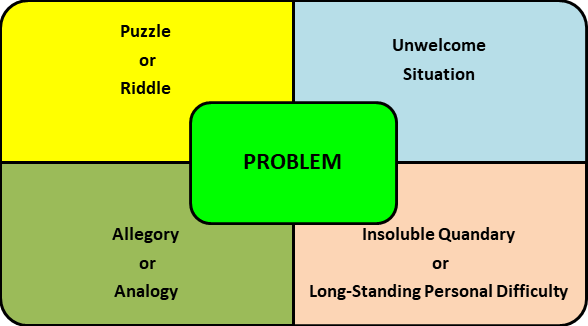
- We need to be quite specific about each person and their addiction and what the addiction/substance means to them
- How does that substance/action (e.g. gambling) work for that person (not just against them)
- Look at the process for ceasing the addiction
- … How does the person stop?
- … How will the person stay stopped?
- Look at the issue of authority and its responsibility
- What to do when the person is unable to make decisions for themselves and who/how will authority be exercised
- Stages in ceasing an addiction … this specific person; this specific addiction – what is involved
- Look at the question of causation and constraint
- How did the addiction come into being?
- What is the neuroscience of addiction and this addiction in particular?
- What contextual constraints apply in producing an addiction?
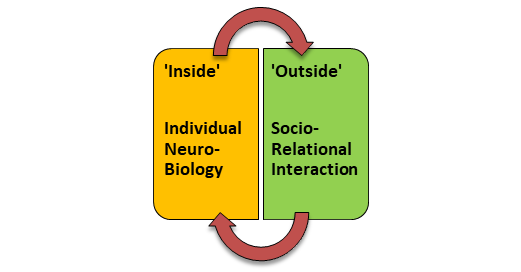
- Causation and constraint applied to ceasing an addiction
- What causes a person to stop?
- What constraints apply to the stopping?
- Apply the space-time analogue to addictions. We need to understand both.
- Look at neurobiological and socio-relational congruence and dissonance and how these function to produce an addiction, maintain a addiction, end an addiction and what happens in the ending
- How the substance and the addiction process produces greater congruence for the person (initially)
- How congruence maintains the addiction
- Dissonance appears as the addiction progresses and is instrumental in bringing the addiction to a crisis point
- Ceasing initially produces an immediate congruence followed by a growing dissonance that only the substance can fix